BSH timber frames: why glulam and when to use 80 × 80 or 80 × 40
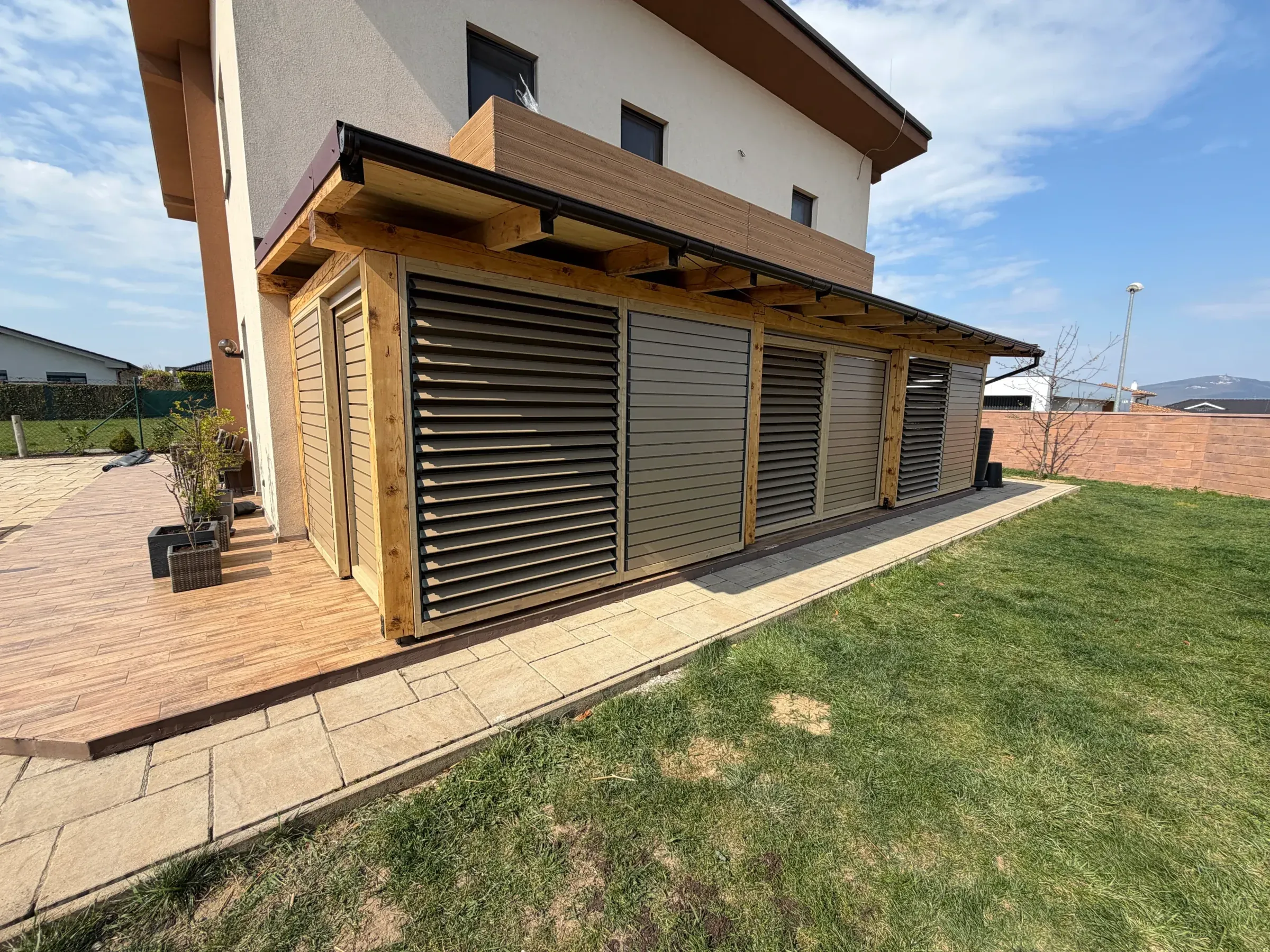
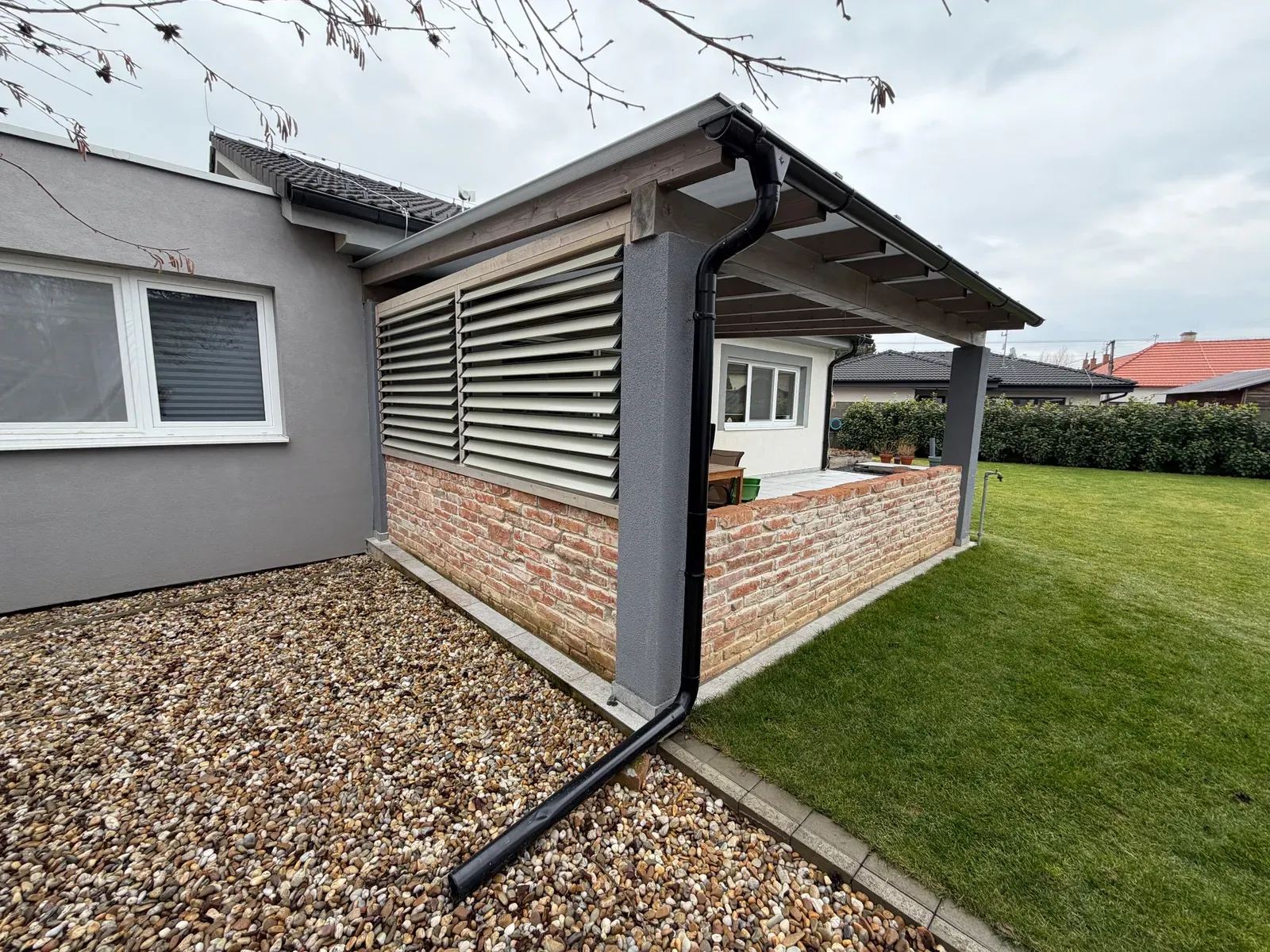
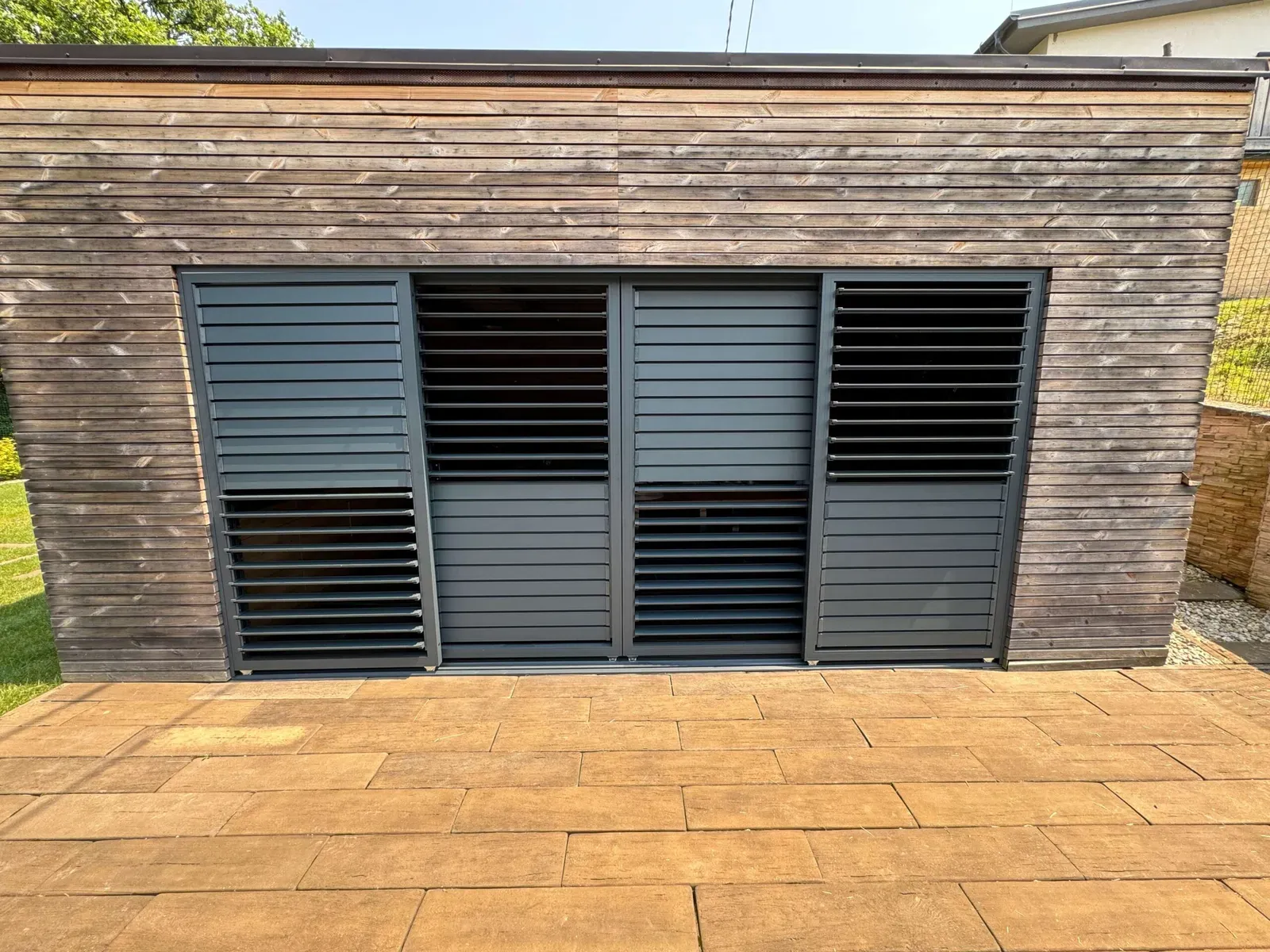
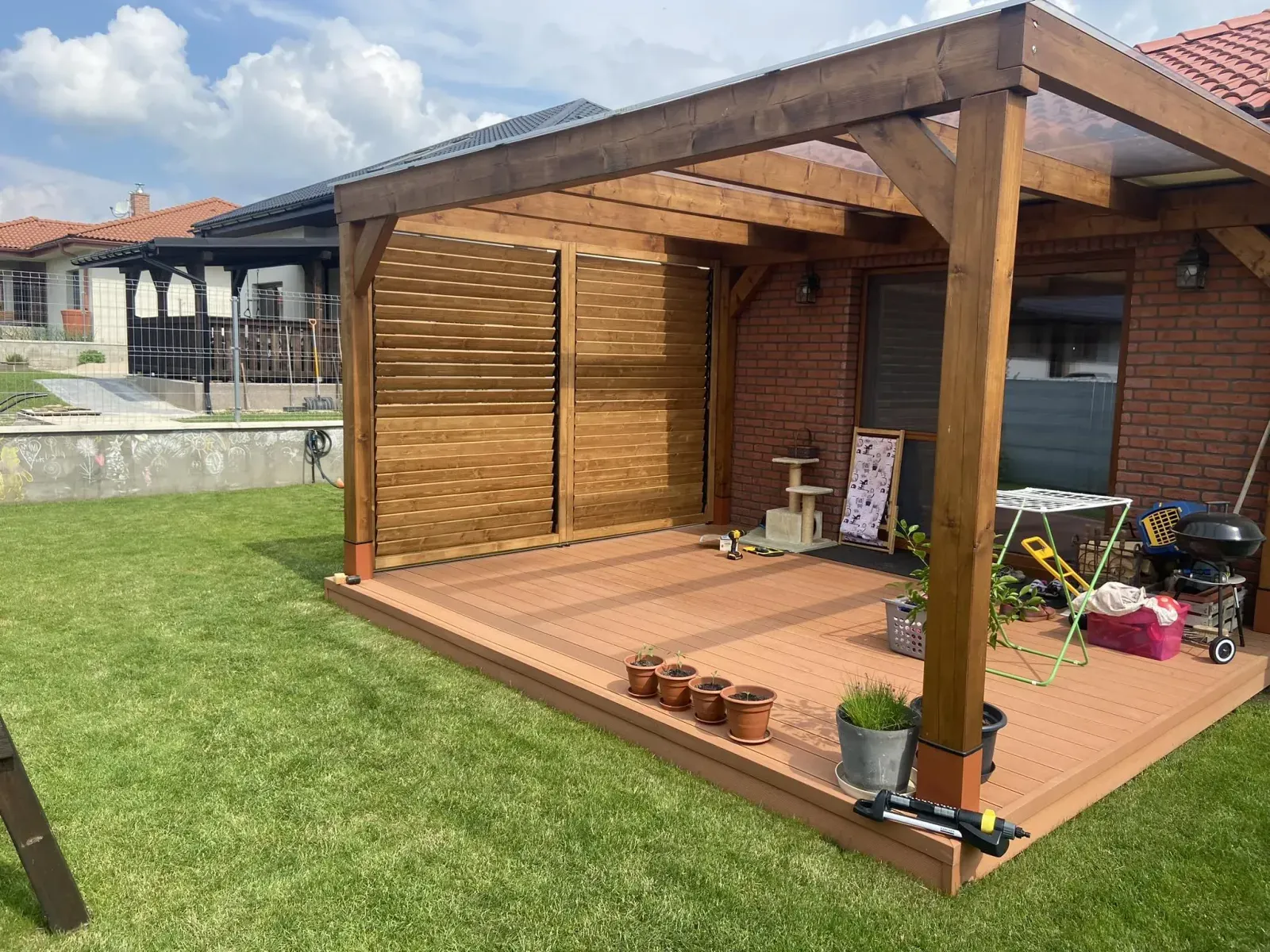
We use a BSH timber frame because glulam does not twist or crack as much as solid wood. The 80 × 80 mm size is used for sliding and freestanding frames, while the 80 × 40 mm size is used for frames joined side by side or fitted between existing posts or structures.
Why choose a BSH timber frame?
BSH is glued laminated timber. The beam is not made from a single piece of trunk, but from several bonded layers of spruce. This allows it to retain its shape better than a standard solid timber beam, which can move, twist or crack as humidity and temperature change.
A straight frame is also important for the smooth operation of the SAM KIT system. The system is fitted on both the left and right sides, and the louvres are simply inserted into it. They are neither drilled nor screwed in place. When you rotate one louvre, all the other louvres in that frame tilt with it.
For timber frames, we use BSH beams made from Nordic spruce. They are planed on all 4 sides and have a visual-grade finish, so they can remain a visible part of a terrace, pergola or balcony.
When to use 80 × 80 or 80 × 40 mm
We select the beam size according to the frame’s position and how it will be used. We offer these three timber solutions:
| Frame type | Use |
|---|---|
| BSH 80 × 80 mm | Sliding and freestanding frames |
| BSH 80 × 40 mm | Frames joined side by side or fitted between existing posts or structures |
| Hybrid timber 80 + 40 mm | A frame positioned beside a sliding frame |
We use an 80 × 80 mm beam where the frame is freestanding or slides. The slimmer 80 × 40 mm size is suitable between existing posts and when several frames are arranged side by side. We use the 80 + 40 mm hybrid when a fixed frame adjoins a sliding frame.
Adjustable feet protect the timber
Each frame stands on adjustable feet with a range of 1–5 cm. They help compensate for the slope of a terrace or balcony while also separating the timber from the paving. This prevents the bottom of the frame from standing in moisture and absorbing water from the surface below. The feet are included as standard.
BSH timber frames and aluminium frames
An alternative to timber is a 50 × 50 mm aluminium box section with a 3 mm wall. It is significantly narrower than an 80 × 80 mm BSH beam, giving it a more slender appearance. We cut the frames at a 45° angle and join them with an internal corner bracket, so the joints are not visible.
| Feature | BSH frame | 50 × 50 mm aluminium frame |
|---|---|---|
| Appearance | Visible natural timber | Slimmer profile without visible joints |
| Finish | Remmers HK-Lasur 3v1 oil-based wood stain | Powder coating |
| Maintenance | Reapply the wood stain every 2–5 years | Simply rinse with water |
We use Remmers HK-Lasur 3v1 wood stain in 23 shades. When renewing the finish, there is no need to sand the frame – simply clean it and apply another coat. If you would like a RAL shade, we can use an opaque coating that covers approximately 90 % of the timber grain.
A timber frame can also be combined with aluminium louvres. In this case, you only need to renew the coating on the frame. If you would like timber for both the frame and the louvres, see our timber rotating louvres.
Frequently asked questions
Can I build the frame from a solid timber beam?
We recommend a glued BSH beam. Solid timber twists and cracks more, which can affect the smooth movement of the louvres in the system fitted on both sides of the frame.
Where can I find BSH beams for a DIY build?
You can find BSH beams in 80 × 80 and 80 × 40 mm sizes among our materials for DIY builds. If you do not want to cut and drill the timber, we can prepare a kit with pre-cut and pre-drilled frames.
How do I maintain a timber BSH frame?
Reapply the wood stain every 2–5 years. There is no need to sand the surface – simply clean it and apply a fresh coat of stain.
Summary
A BSH beam retains its shape better than solid timber and provides a straight base for smooth louvre movement. We use the 80 × 80 mm size for sliding and freestanding frames, and the 80 × 40 mm size between posts or for frames positioned side by side. We will recommend the right size and installation method in a free, no-obligation quote.